
A new drone-led approach is helping us identify and protect ground-nesting birds during archaeological investigations for the new railway, with encouraging results so far.
Developed alongside EWR Co’s surveying contractor Kier, the thermal drone surveys allow environmental specialists to map nesting activity quickly and accurately before archaeological trenching begins. This is enabling work to continue safely in unaffected areas while ensuring nesting birds and their habitats remain protected.
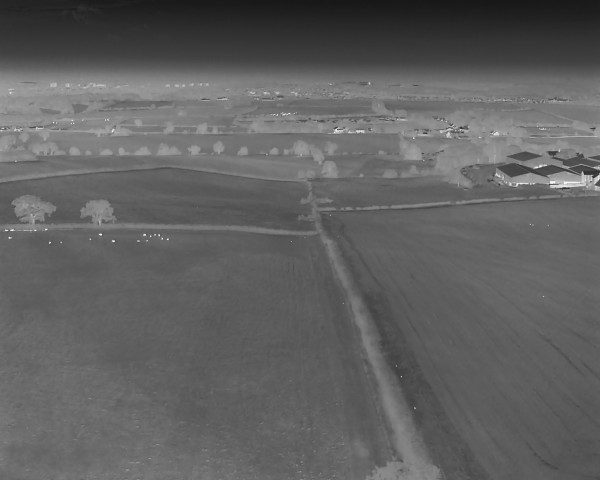
By helping teams identify ecological constraints earlier, the initiative provides greater certainty for construction programmes, reduces delays, helps avoid unnecessary vegetation clearance and limits disturbance to protected and often rare species.
The hi-tech approach helps to maintain progress on work throughout the peak bird nesting season between March and August - one of the key environmental challenges associated with undertaking archaeological investigations.
Thermal drone surveys can identify ecological constraints across a large site within two to three hours, providing earlier visibility of nesting activity and enabling targeted vegetation clearance, ecological buffer zones and continued progress where it is safe to do so.
Tristan Lincoln-Gordon, Director of Environment at East West Railway Company, said: “By embracing innovative technologies such as thermal drone surveys, we can identify and safeguard ground-nesting birds more effectively while improving efficiency and reducing disruption.”
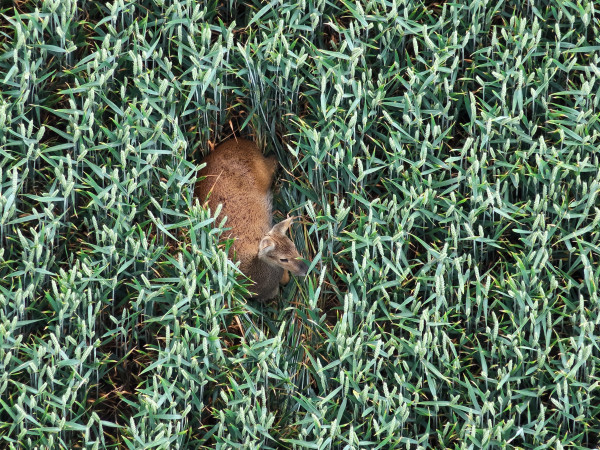
Although drone surveys represent the preferred approach for managing ground-nesting birds, we will continue to use environment professionals, verification surveys and ongoing monitoring to ensure wildlife is protected throughout the archaeological programme.
More information on our use of thermal drone surveys is available in our press release here.