
Archaeology and East West Rail
As part of our proposals for East West Rail, we have launched an archaeology programme to help understand, protect and record the rich heritage along the route before construction begins.
Archaeological investigations help identify and preserve nationally and locally significant finds, ensuring that important historical evidence is carefully documented in accordance with planning and environmental requirements.
Our archaeological programme forms a vital part of the environmental assessment work required to support the Development Consent Order (DCO) process to secure approval to build the railway.
What is happening now?
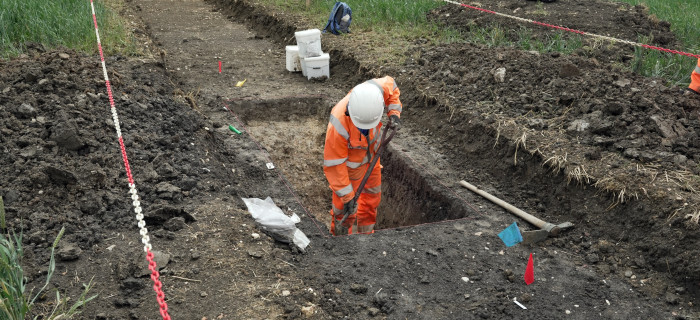
Trial trenching work is now being carried out in Bedfordshire and Cambridgeshire as part of this programme. Investigations completed to date suggest parts of the route contain evidence of Iron Age and Roman activity, providing valuable insight into how people lived and worked in the region thousands of years ago.
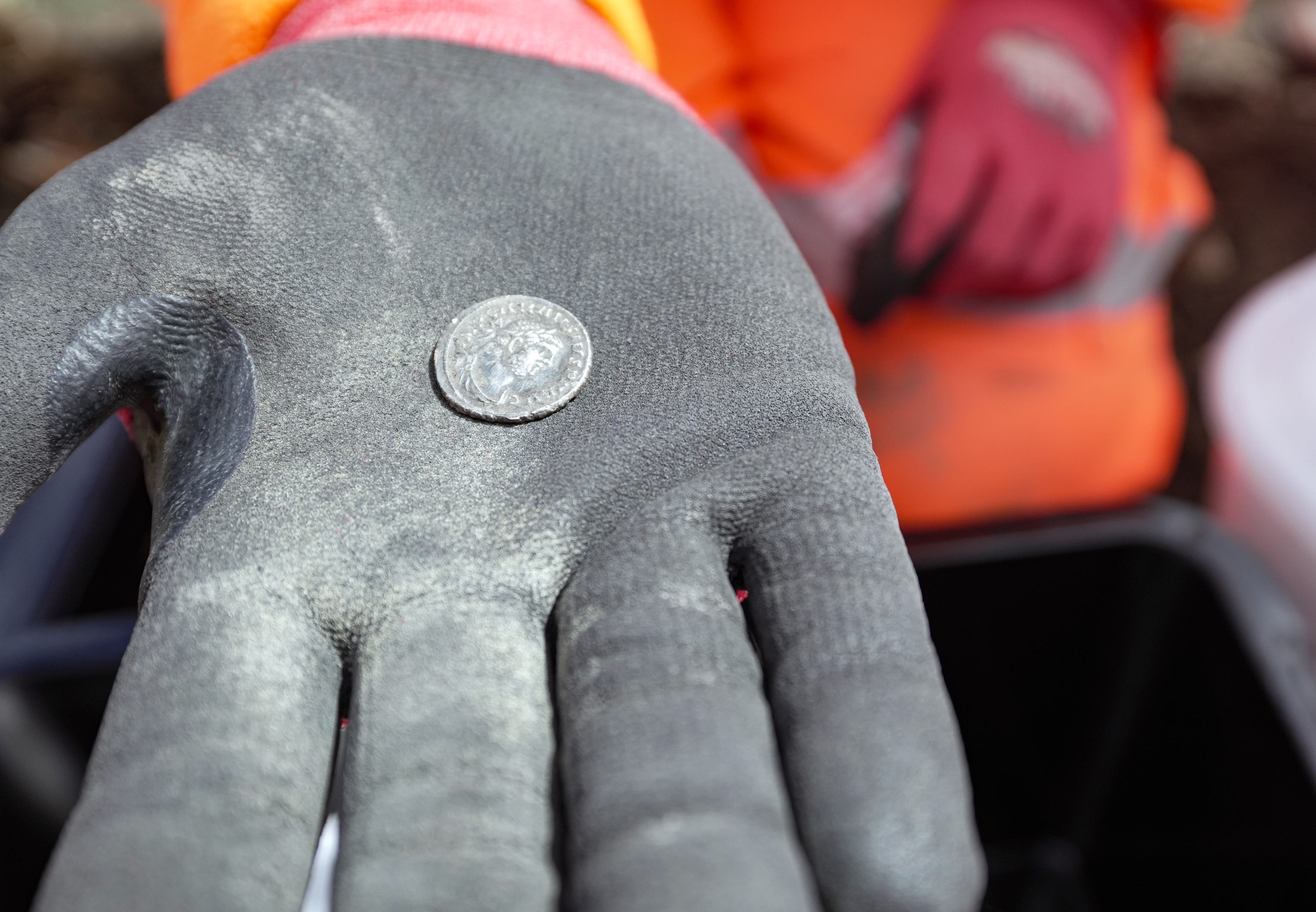
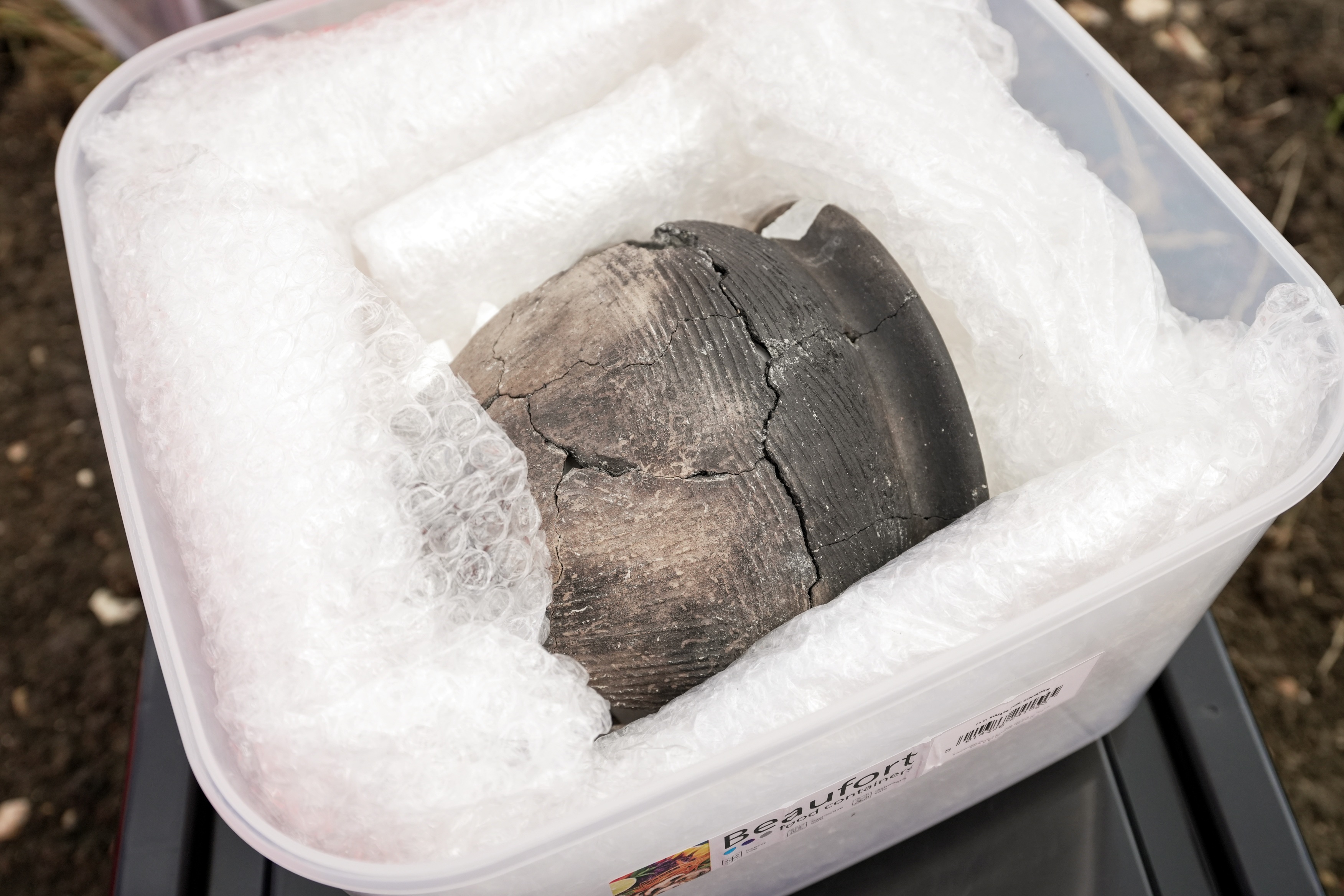
Among the discoveries made so far are two Romans coins, a Late Iron Age jar and fragments of pottery. One of the coins dates back around 1,740 years and bears the name of Emperor Carausius, a Roman naval commander who commanded a fleet based in the English Channel during the late 3rd century AD. The second Roman coin discovered is believed to be from the mid-to-late 2nd century and probably minted under Emperors Antoninus Pius or Marcus Aurelius.
Around 6,000 trial trenches will be completed over the next two years across the proposed route. Before excavation begins, geophysical, ecological and utility surveys are carried out to help minimise impacts on farming activity, biodiversity and local communities. Land is restored as closely as possible to its previous condition once works are complete.
A video about our archaeology programme is available here.
News stories
01.07.26
1,740-year-old Roman coin among discoveries as East West Rail archaeology programme reaches milestone
29.10.25
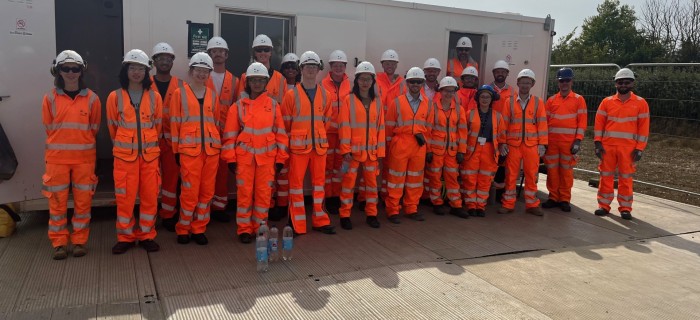
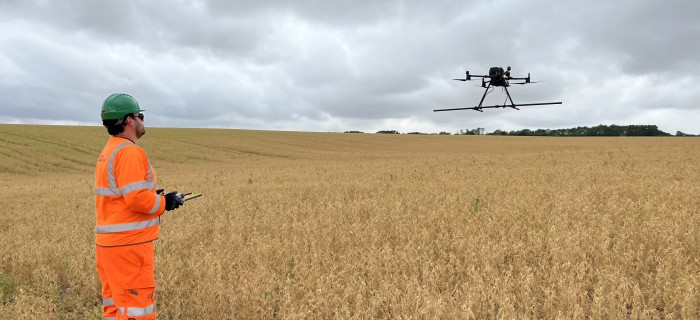
Future engineers get hands-on experience at Ground Investigation site
21.10.25
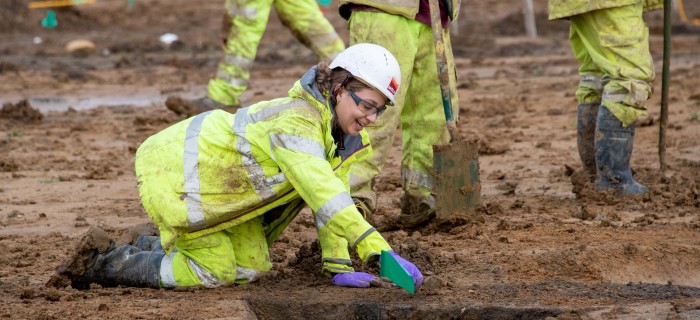
East West Rail and Historic England welcome heritage protection for Bronze Age burial ground
26.08.25
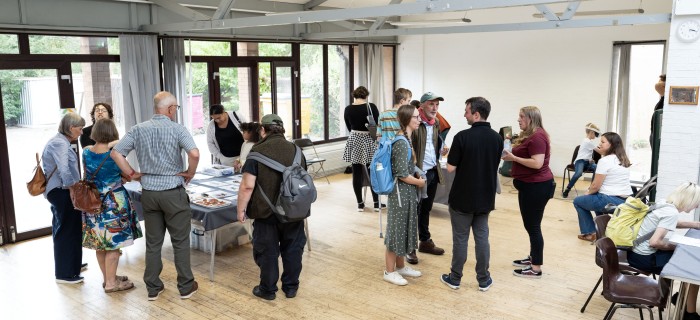
Pop-up archaeology museums bring local history to life
31.07.25
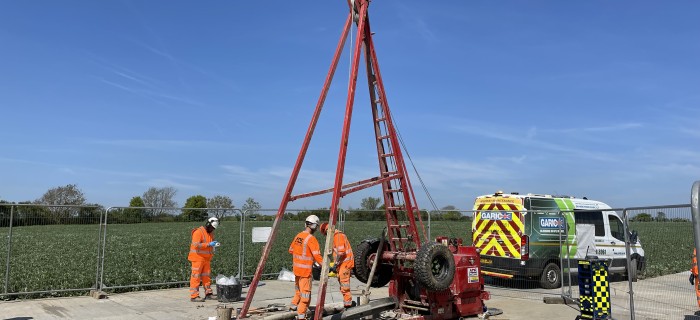
Pop-up archaeology museums will bring the past to life for families
13.05.25
Jurassic fossils unearthed during East West Rail ground investigations
Discover more
This page will host further details on the discoveries and progress we’re making throughout the year.